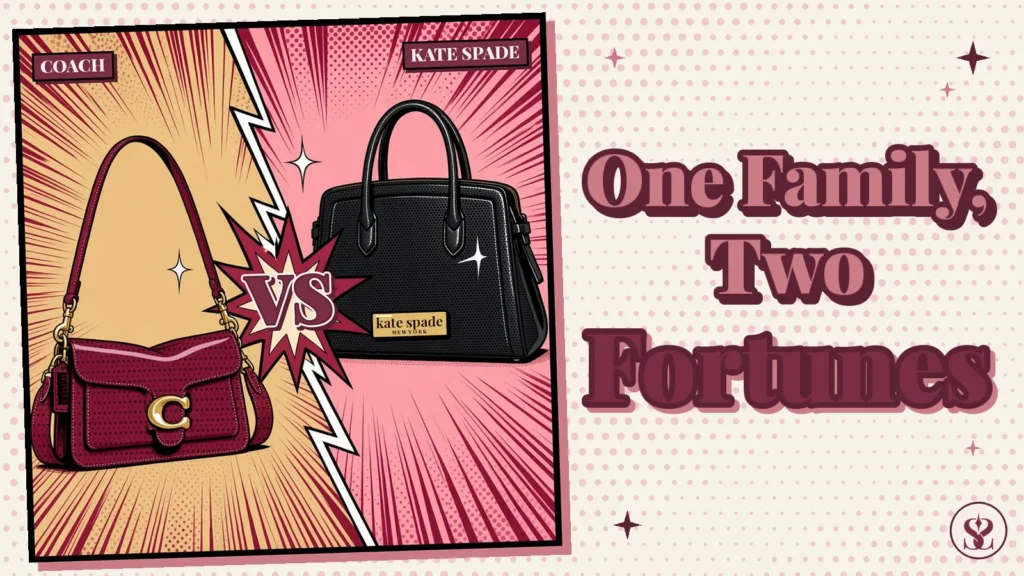
Coach bags and Kate Spade bags share a parent company, Tapestry, but their sales are heading in very different directions. In the quarter that ended Sept. 26, Coach outsold Kate Spade by a wide margin. Coach sales rose 16% to $1.66 billion, and Kate Spade sales fell 10% to $233 million.
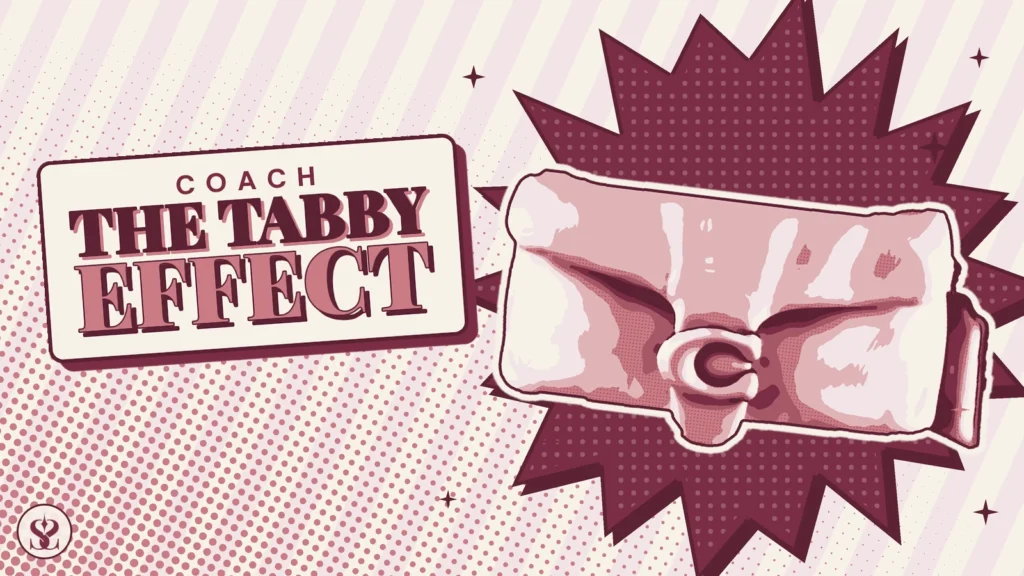
Bag design explains much of that gap. Coach built its comeback on signature leather collections (groups of bags in one design, like the Brooklyn or the Tabby, that return season after season), and shoppers happily pay more to own them. Kate Spade is still in the middle of a rebuild. Coach’s average handbag price rose by a low-double-digit percentage, and the number of bags it sold grew, too. In other words, shoppers paid more per bag and kept buying.
Coach Shows Off Its Tabby Lineup on Instagram
How Coach Bag Designs Locked In Higher Prices
Coach spent more than a decade rebuilding around leather, fewer markdowns, and bags young shoppers actually wanted. Creative director Stuart Vevers joined in 2013, after a stretch when the brand felt overexposed in outlet malls and on department-store sale racks. The rebuild tightened that mix.
Coach now organizes its lineup around those signature collections, with the New York group (Brooklyn, Empire, Chelsea) sitting beside long-running hits. SitK has already covered how the Coach Tabby effect pulled in Gen Z, and this story looks at the leather push happening at the same time.
During the earnings call, Coach CEO and Brand President Todd Kahn called $200 to $500 the brand’s handbag sweet spot. In that range, Coach sold more bags and at higher average prices. At the same time, it pulled back on cheaper, heavily discounted bags under $200, so it sold fewer of them on purpose. Fewer bargain bags and more full-price ones raise what Coach earns on each sale, and that adds to its overall revenue growth. Gen Z shoppers (roughly ages 13 to 28) made up about 35% of Tapestry’s 2.6 million new customers in the quarter. Those higher prices have held because the designs feel special enough that shoppers don’t wait for it to hit the sales rack.
Why Kate Spade Bag Designs Lost Their Grip
Kate Spade built its name on witty, fun bags. Millennials still call the 1990s black nylon tote their first “real” handbag. After Tapestry bought the brand in 2017, it tried the Coach playbook of fewer department-store deals and flash sales. Sales often fell when the discounts stopped.
Creative leadership then went quiet after Nicola Glass left in April 2021. For nearly five years the brand split design jobs across teams, with no single creative boss. In 2026 Kate Spade hired Jonathan Saunders as executive creative director to reunite product and visual identity. Brand CEO Eva Erdmann is pairing with him on Tapestry’s “uplifting luxury” plan.
Tapestry CEO Joanne Crevoiserat described the company’s bigger bet when results landed.
“Our Amplify strategy continues to bring new consumers to our brands through our distinctive combination of creativity, craftsmanship, and value.”
– Joanne Crevoiserat, Chief Executive Officer, Tapestry, Inc.
Kate Spade is still in the cleanup phase. The brand cut promotions on purpose this quarter to rebuild desire, and revenue fell in line with that plan. Gross margin (the share of each sale left after product costs) rose. Handbags like the crescent Duo are meant to win Gen Z, and the brand is still closing weak stores and waiting on Saunders’ full product reboot.
Coach rewarded shoppers who would pay more for signature leather bags that stick around. Kate Spade is still redefining its design language for bags after years of discounts and a long creative gap. Under the same Tapestry roof, these differing paths now show up clearly in receipts.
Sources: Tapestry, Tapestry earnings call transcript (Motley Fool), The Business of Fashion
Money Lesson
Rent, bills, and debt payments come first. A bag can wait.
If a design catches your eye, set a cash cap before any sale starts. If nothing is left after bills this month, your cap is $0, and that’s OK. Love a certain style? Check whether it belongs to one of Coach’s signature collections that stay in stock. Those bags will still be there next month.
Think of us as your money-savvy best friend, not your financial adviser. This story is for information and fun, not personal advice, so talk to a licensed professional before you make any big money moves.