You already know Zara costs more than Shein. The real question is whether the fabric, the stitching, and the way a piece survives the wash make that gap worth paying.
For a lot of shoppers, the answer still seems to be yes. Quality may be one reason Zara keeps its fans, even as ultra-cheap rivals flood your feed. That loyalty shows up in the numbers at Zara’s parent company, Inditex.
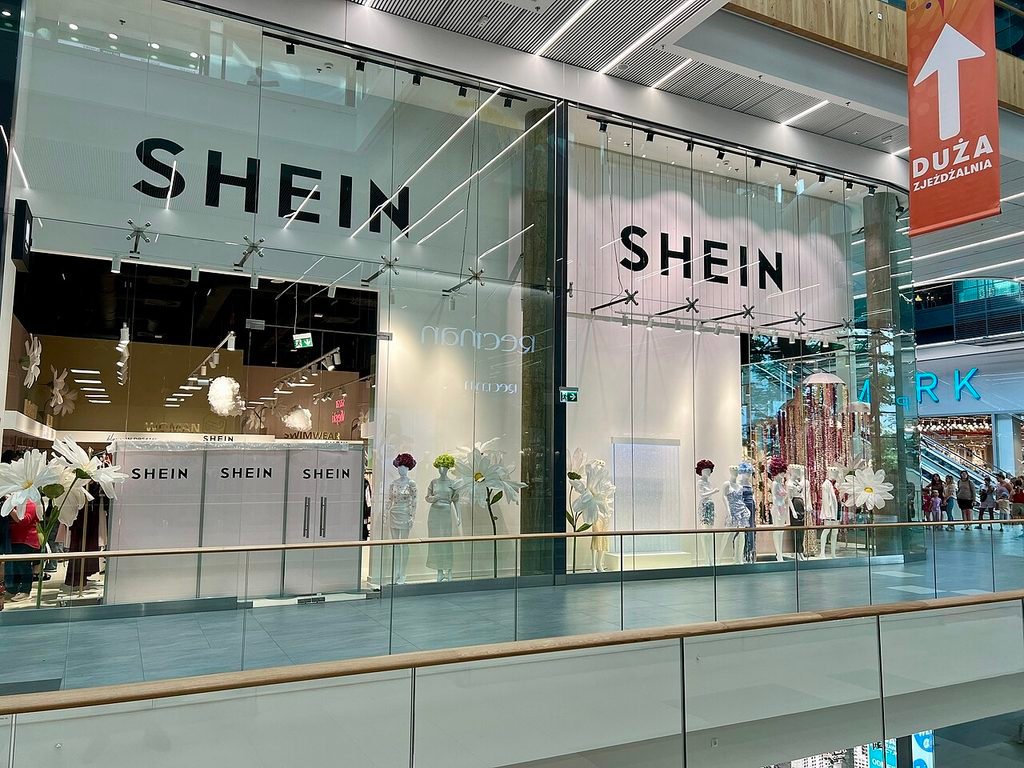
Shein’s results hint that shoppers are weighing quality more closely now that its prices have risen. After Shein raised U.S. prices to cover new tariffs (taxes on imported goods), its U.S. sales fell 14% in the first quarter. In the first half of 2026, its net revenue grew only 1%, and operating income (profit from the main business before interest and taxes) fell 52.9%. Those numbers don’t prove shoppers are walking away over quality. Shopper surveys, though, point in that direction.
Why Shoppers Still Embrace Zara
Zara has had to defend its higher price as ultra-fast rivals raced ahead. Its recent brand makeover leaned on the quality you get for what you pay.
Textile experts have put the two brands side by side. In November 2024, instructors at the Textile Lab at Saxion University of Applied Sciences in the Netherlands examined women’s jeans from Shein (about €10, or $11), Zara (about €46, or $51), and Levi’s (about €110, or $123). The Shein pair gave off a chemical smell, its stitching ran crooked, and threads hung loose. Between Zara and Levi’s, they saw no big difference in finish, though the Levi’s denim was slightly thicker and more durable. That gap matters after a few washes, when pilling (those little fuzz balls) and loose seams start to show.
Investors are rewarding Zara’s owner, too. In the first half of 2026, Inditex sales rose 7.6% to about €19.8 billion ($22.1 billion), and net income rose 6.8% to €3.0 billion ($3.3 billion). On Nov. 5, Inditex shares closed above €60 ($67) for the first time, in a rally that followed the U.S. midterm results. At the day’s high, the company’s market value (what all its shares were worth together) hit about €189 billion ($211 billion). Quality can’t take all the credit for a record stock price. However, steady sales from shoppers who keep coming back are a big part of that story.

Zara vs Shein Quality: Which Is Worth the Money
Much of the quality gap comes down to the fabric in each piece. An industry survey of synthetic fabrics found about 81% of Shein’s materials came from fossil fuels, mainly polyester (a plastic fiber made from oil). Inditex used the largest total volume of synthetics among the brands in that survey, and its use grew by about a fifth. Shein still had the highest share of synthetics in its mix. Lots of cheap polyester can mean clothes that pill or lose their shape sooner.
Shoppers seem to feel that difference once they wear and wash their clothes. In early 2024, a customer-feedback study found that Shein’s quality rating fell 6% over six months, while a group of other fast-fashion brands, including Zara, rose 1%. About 75% of respondents named quality as a reason they liked or disliked Shein. Net purchase intent (shoppers planning to spend more there, minus those planning to spend less) fell 8%.
Shein still wins on many sticker prices. Retail pricing data from mid-2024 put the average U.S. women’s dress at $28.51 on Shein and $79.69 at Zara. Cheap orders can carry other costs, too, as our Shein hidden-costs piece explains.
So which is worth your money? For a one-night top, Shein’s lower tag can win. For clothes you want to keep, Zara is usually the better bet. Either way, check the fabric label, because a cotton-heavy tee will often outlast a thin polyester blend. A cheap piece can feel like a win at checkout, but it often lands in the bin once a seam splits. A quality piece is the one that’s still in your rotation even after the third wash.
Sources: FashionUnited, Inditex, Changing Markets Foundation, NRC
Money Lesson
Rent, bills, and debt payments come first. When cash is tight, skip the haul and rewear what you own. When you do buy, read the fabric label and pick the piece you’ll wear for years. If $20 is left after bills this month, park it in savings until you truly need to replace a worn piece. Then buy the sturdiest one that fits your budget.
Think of us as your money-savvy best friend, not your financial adviser. This story is for information and fun, not personal advice, so talk to a licensed professional before you make any big money moves.