
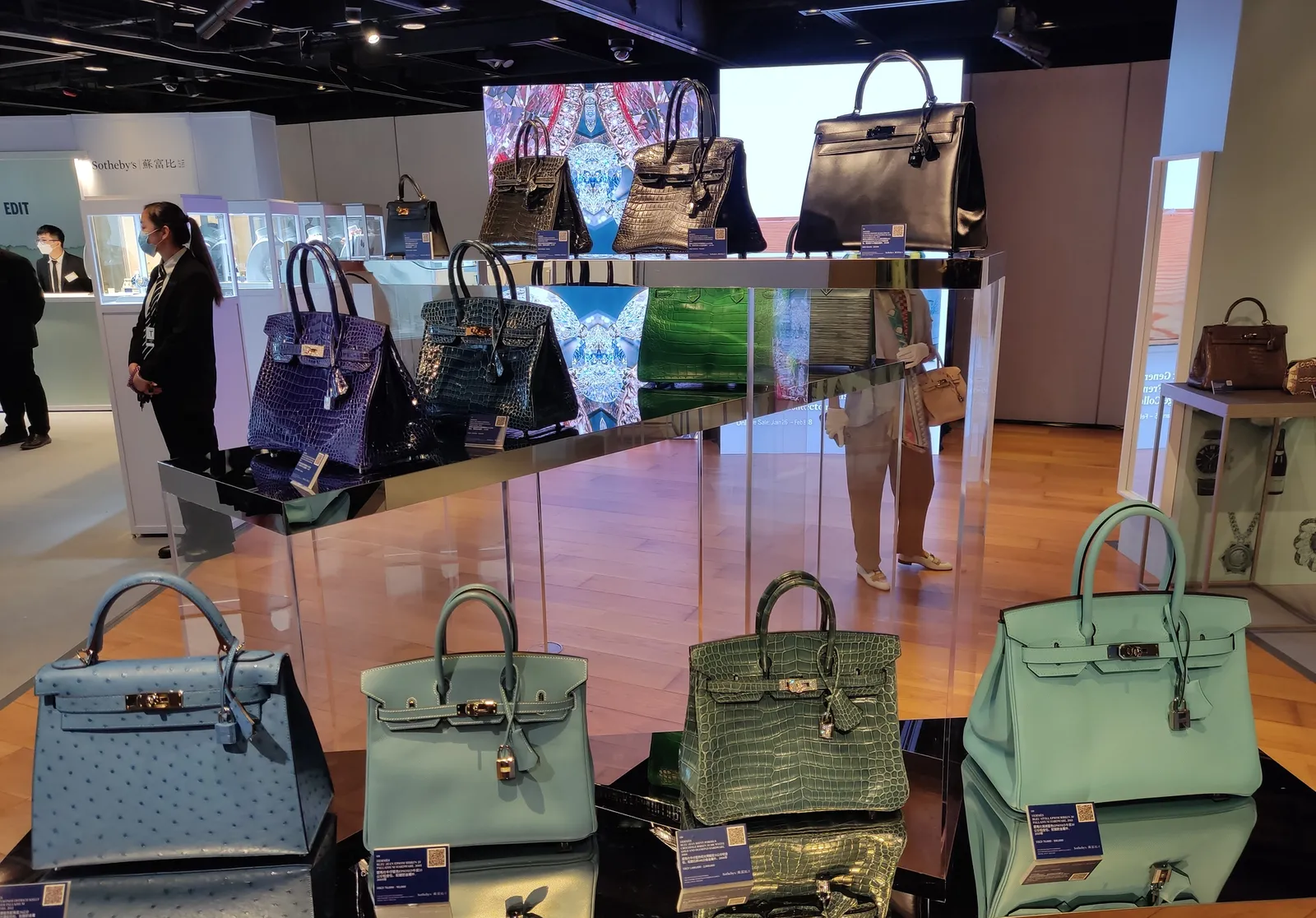
Hermès keeps its most famous bag rare, and the business behind it rich. The French house sells the Birkin in a way that can feel designed to make you wait. After all, a Birkin isn’t a lunch break purchase.
The luxury brand’s long wait time in no way disrupts profits. In the first half of 2026, Hermès reported €8.2 billion in revenue and kept 41.0% of sales as recurring operating income.
If you’ve heard about a years-long Birkin list, that story is out of date. Hermès stores no longer keep waiting lists for the bag. Demand outstrips supply so stock varies from store to store, with infrequent deliveries and little notice about which colors and finishes will show up.
Shoppers and resellers often say a history of buying other Hermès pieces helps. Building a history with the brand starts by developing a relationship with a Hermès sales associate. Even then, loyal buyers have no guarantee of getting the exact bag they want. Hermès has never confirmed or denied these methods work.
How Hermès makes Birkins by hand
Another reason Birkins stay rare is how they’re made. Hermès says 100% of its leather goods are made in France, in workshops designed on a “human scale.” Each workshop aims for about 300 jobs, 250 of them artisans.
In 2024, when Hermès opened a Birkin and Constance workshop in Riom, France, it took 15 to 20 hours to make one bag. Fully trained artisans can produce two to three bags a week.
In 2024, Guillaume de Seynes was the company’s executive vice president of manufacturing. At the time, he noted that new workshops and expansions pointed to 6% to 7% volume growth a year.
De Seynes confirmed there was no artificial scarcity at play with Hermès, noting:
“We aren’t about to start going for productivity gains.”
– Guillaume de Seynes, Former Executive Vice President of Manufacturing
Hermès keeps adding capacity, one workshop at a time. Earlier this year in April, the company opened its 25th leather goods workshop in Loupes, France. It plans to open three more in France, in Charleville-Mézières by 2027, Colombelles by 2028, and Les Andelys by 2030. It also trains its own artisans through the École Hermès des savoir-faire, which opened in 2021 and now runs 12 training schools.
Rare Birkins, rich Hermès margins
In the first half of 2026, Hermès reported:
- Revenue: €8.16 billion, up 6.1% at constant exchange rates and 1.6% at current rates.
- Leather Goods and Saddlery: Revenue was €3.76 billion, up 9.8% at constant exchange rates. This category accounted for about 46% of sales.
- Recurring operating income: Recurring operating income was €3.35 billion, or 41.0% of revenue, compared with 41.4% a year earlier.
In plain English, about 41 cents of every euro in sales became recurring operating profit. Hermès also said currency swings cut revenue by more than €360 million. That’s why growth looks smaller in reported euros than at constant exchange rates.
Leather Goods and Saddlery covers more than handbags. By Hermès’ definition, it also includes travel items, like small leather goods, saddles, and equestrian gear, so it isn’t a pure Birkin count.
The secondhand market shows how much shoppers value that scarcity, and lately it’s sending mixed signals. Brokerage Bernstein, which tracks Birkin auction results, found that Birkin 25 bags resold for about 1.7 times their retail price in the third quarter of 2026. That’s down from about 2.6 times at the 2022 peak.
More Birkins are also showing up for resale. Six of nine Birkin resellers interviewed in the US, Europe, and Asia reportedly said resale prices fell over the past year as more bags became available. In early October, UBS downgraded Hermès shares to Sell and cut its price target to €1,168 from €1,695. The bank estimated that Birkins and Kellys listed for resale worldwide now run six to seven times pre-pandemic levels, which it said could weaken Hermès’ scarcity-driven model.
However, Jefferies sees a brighter picture. Its own data shows Birkin auction premiums and average selling prices rebounding sharply since the end of 2025.
Either way, a resale price isn’t a profit. It doesn’t account for what an owner originally paid, anything they bought along the way, or selling fees.
Hermès Q3 2026 reports slated for Oct. 22
Hermès will publish its Q3 2026 revenue on Thursday, Oct. 22, at 2 a.m. ET.
The Oct. 22 release covers revenue only, so look for sales, not profit. Three things stood out in the first half:
- Leather goods growth: Up 9.8% at constant exchange rates through June.
- Currency: The gap between constant-rate and reported growth showed how much exchange rates moved the headline.
- Regions: The Americas grew 15% at constant exchange rates, Asia excluding Japan grew 2%, and the Other region, mainly the Middle East, fell 4%.
Hermès didn’t give a numeric forecast. It said it “confirms an ambitious goal for revenue growth at constant exchange rates” in the medium term.
Sources: Hermès, British Vogue, ABC News, WWD, Reuters, Investing.com, The Fashion Law
Money Lesson
Scarcity is a strategy, not a guarantee
Hermès proves that controlling supply creates pricing power. That doesn’t make every rare thing you buy an investment. Before you call a bag an “asset,” add up everything it really cost, including anything you bought just to get it. Then subtract what you’d pay to sell it and remember it can take time to find a buyer. If the math still works, lovely. If it doesn’t, buy it because you love it, and fund your actual investments first.
Hermès 1H 2026 Results
Think of us as your money-savvy best friend, not your financial adviser. This story is for information and fun, not personal advice, so talk to a licensed professional before you make any big money moves.